Ou Não
Walter Franco
1973
Rankings
Why This Album Matters
Ou Não, released in 1973, is Walter Franco's debut album and a fundamental landmark in Brazilian popular music due to its avant-garde and experimental nature. Distancing itself from the conventions of MPB at the time, the record presents a disruptive sound, which challenged the public, the market, and critics alike. The work is characterised by an approach that integrates concrete poetry, spoken word, and complex sonic textures, creating a dense and intriguing musical universe. This unique album not only introduced Walter Franco as an artist ahead of his time, but also expanded the frontiers of Brazilian song, blending elements of progressive rock and electronic experimentation into a structure that at times borders on 'anti-music'. It is a work that demands attentive listening, proposing an auditory experience that goes beyond the conventional and remains relevant for its originality and aesthetic courage.
Context
The release of Ou Não occurred during a period of intense political repression in Brazil, under the military regime, which generated a climate of cultural tension and censorship. In this scenario, MPB, Tropicalismo, and various musical avant-gardes sought forms of expression amidst an environment of limited freedom. Walter Franco, who had begun his career composing for theatre and participating in festivals in the late 1960s, already stood out for his experimental stance. His performance of the song 'Cabeça' at the VII International Song Festival (FIC) in 1972, for example, generated great controversy and boos from the audience, but also critical recognition for its audacity. This pre-album performance consolidated Walter Franco's image as a 'cursed' artist, who refused to conform to prevailing commercial and aesthetic standards.
Recording
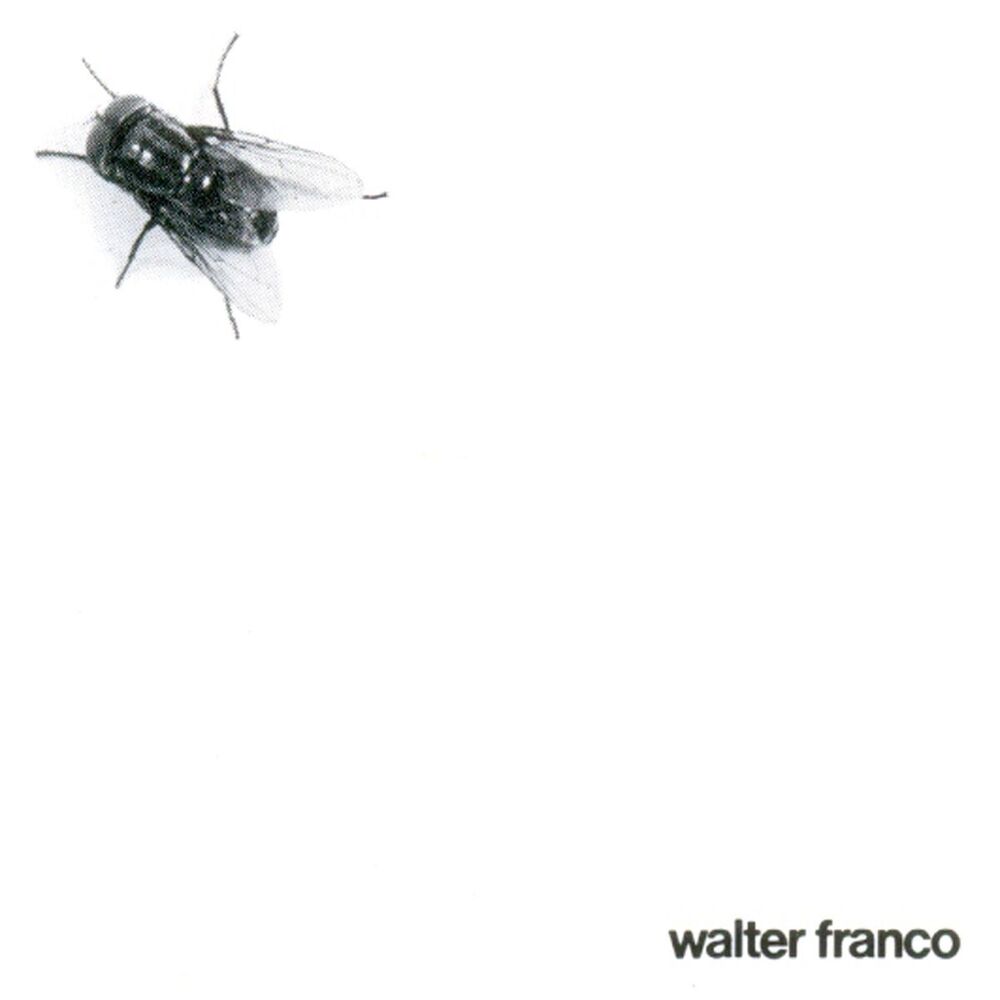
The album Ou Não was recorded in 1972 and released in 1973 by the Continental record label. Production was handled by Walter Silva, and the arrangements were conceived by the renowned maestro Rogério Duprat, a central figure in Tropicalismo and known for his innovative contributions. The collaboration with Duprat was crucial for the sonic complexity and the fusion of styles present on the record. Despite the record's liner notes not specifying musicians per track or instrument, the album's sound is marked by experimentation. The record is known for its disruptive compositions, which use the voice as an instrument, pauses, and fragmentation, elements that dialogue with concrete poetry and the avant-garde. The minimalist cover, with a white background and a small fly, popularly known as 'the fly album', already signalled the unusual and conceptual nature of the work.
Songs
The songs on Ou Não are a deep dive into experimentalism, with lyrics that explore concrete poetry and a musical structure that challenges traditional forms. The track 'Cabeça', already a turning point in Franco's career after his controversial festival performance, closes the album with a provocative naturalness. Other highlights include 'Mixturação', which functions as a key to the album, with its slow evolution and suggestion of cinematic images. 'Me Deixe Mudo' is sung to the rhythm of the singer's own breathing, creating an exhaustive and unique atmosphere, while 'Xaxados e Perdidos' and 'Doido de Fazê Dó' subvert the expectations of Northeastern rhythms, such as xaxado and frevo, respectively, with their sonic independence and unusual durations. The lyrics, in turn, are frequently untamed and reflective, with phrases like 'nem tudo que se come/ se digere/ quem com ferro fere/ se consome', adding a layer of continuous suspense to the experience.
Legacy
Ou Não, although not a commercial sales success, was recognised by specialist critics as one of the most courageous and aesthetically relevant albums in Brazilian popular music upon its release. It vied with Caetano Veloso's Araçá Azul for the title of the boldest album of the era, frequently being misunderstood by the general public due to its radicalism. The album established Walter Franco as one of the most radical names in Brazilian music, securing him the status of a 'cursed' and cult artist. Over the years, the record has been reissued in different formats, which demonstrates the growing appreciation of its importance. Its avant-garde character paved the way for the acceptance of extreme experimentation in MPB, influencing, albeit indirectly, subsequent generations of musicians who sought to break away from established patterns in Brazilian music.
Tracks
Credits
Walter Franco
Podcasts
Lado A O convidado de 1973, grande Dráuzio Almeida. Minimalismo. Estereótipos. Esplêndido incômodo. Ou não. Beatriz, a nova doutora. Companheiro Crostiti. O timbre das palavras e sílabas. Habilidade do compositor Walter. Mamãe d`água. Revolver e a influência dos Beatles e John Lennon. Caetano Veloso e o disco branco. Discos mais devolvidos de todos os tempos. A angústia e a náusea. Música não-ób
Books
Os 500 Maiores Álbuns Brasileiros de Todos os Tempos
Ricardo Alexandre · 2022
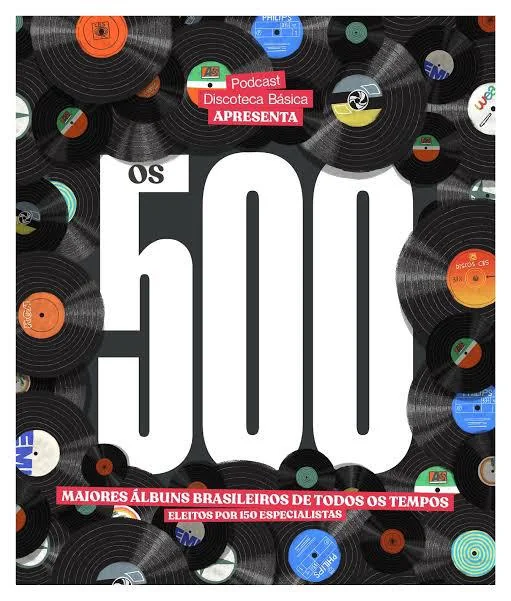
The largest Brazilian music election ever conducted: 162 specialists, spanning journalists, critics, musicians, producers and podcasters, each nominated 50 essential albums, supported by a masterlist of more than 2,000 works. Led by Ricardo Alexandre with tabulation by Sérgio Jomori, it was published in December 2022 as a 200-page hardcover book with graphic design by Fernando Pires.
300 Discos Importantes da Música Brasileira
Charles Gavin, Tárik de Souza, Carlos Calado, Arthur Dapieve · 2008
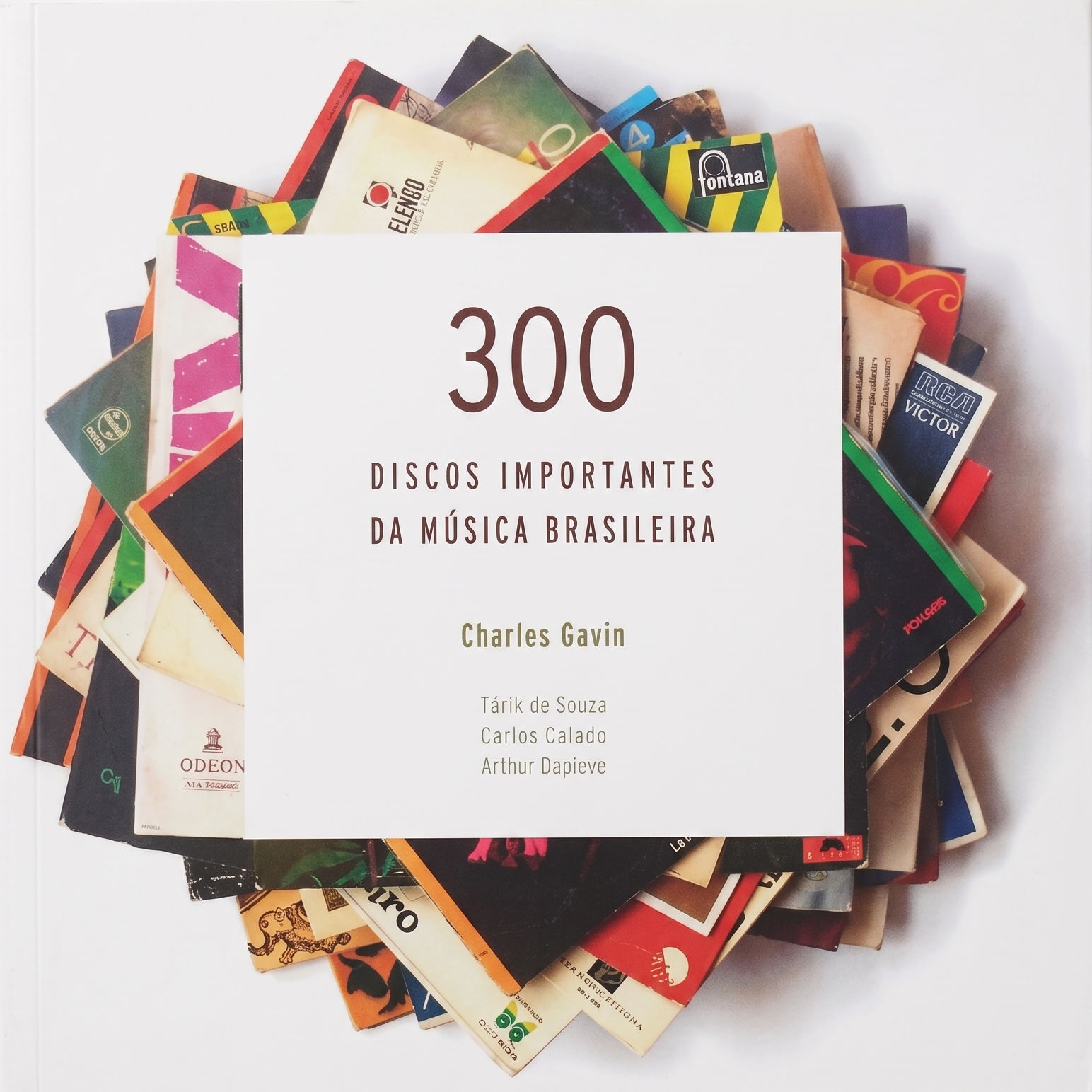
Conceived by Titãs drummer and musical researcher Charles Gavin, the 434-page book brings together covers and reviews of albums released between 1929 and 2007. The texts were written by journalists Tárik de Souza, Arthur Dapieve and Carlos Calado.
Analyses
Walter Franco: Ou não. 52 anos do disco da Mosca
veidoblogue.com.br
In the cultural whirlwind of 1970s Brazil, Walter Franco emerged with Ou Não (1973), an album that challenged not only the conventions of popular music but also the expectations of the market, critics and the public. This singular, restless and experimental artist created an avant-garde landmark.
Walter Franco - Ou não (1973) - musicasdonordeste.net
musicasdonordeste.net
The album, divided into two parts, brings together the singer's greatest hits from his 20-year career, with songs such as "Avôhai", "Chao de Giz", "Bicho de 7 Cabecas", among others.
Subclássicos: WALTER FRANCO — Ou Não (1973)
subsensor.substack.com
When WALTER FRANCO released Ou Não, his debut album in 1973, Brazil was experiencing the peak of repression under the military regime. Tropicália had been dismantled by censorship and exile, and Brazilian rock was still seeking a new place between protest and introspection.
Ou não (1973), de Walter Franco: contracultura, experimentalismo e ...
periodicos.ufrn.br
Figure 4 - Cover and back cover of Walter Franco's LP Ou não, Continental, 1973; the album's graphic design is by Décio Pignatari (source: personal archive)

Walter Franco - Crítica do Disco "Ou Não" - Revista Pop (1973)
taratitaragua.blogspot.com
It is a challenging album to comprehend, full of daring and experimental elements still considered avant-garde today. Even Caetano Veloso, upon releasing his equally experimental "Araçá Azul", sought inspiration in Walter's album, a fact he acknowledged in interviews.