A Nova Dimensão do Samba
Wilson Simonal
1964

Rankings
Why This Album Matters
Released in 1964, A Nova Dimensão do Samba is a landmark in Wilson Simonal's discography, frequently cited as one of the best albums of his career. This album solidified the artist's unmistakable vocal style, characterised by a singular swing and an interpretative ability that masterfully transitioned between samba and the nascent bossa nova. The album stands out for its audacious reinterpretation of bossa nova classics, adding an energy and charisma that would become Simonal's signature. With sophisticated and inventive arrangements, the album presented a new perspective on already known songs, demonstrating Simonal's versatility and talent in appropriating different genres and imprinting his unique vocal identity. The work is essential for understanding the evolution of Brazilian popular music in the 1960s and Simonal's role in bridging traditional samba, bossa nova, and the influences of soul and jazz, which would later culminate in the 'Pilantragem' aesthetic.
Context
Wilson Simonal began his career in the late 1950s, a period of musical effervescence in Brazil with the emergence of bossa nova and the arrival of rock and roll. After forming the group Dry Boys and catching the attention of Carlos Imperial, he performed on the programme Clube do Rock, on TV Tupi. As a solo artist, Simonal had his first major radio hit with the song "Balanço Zona Sul", featured on his 1963 debut album, Tem Algo Mais. The success of "Balanço Zona Sul" propelled his career and led him to perform at the celebrated Beco das Garrafas, in Rio de Janeiro, between 1964 and 1965, a hub for the intellectual and musical elite that housed the biggest names in Brazilian music at the time. It was within this context of growing recognition and musical experimentation that A Nova Dimensão do Samba was released, leveraging Simonal's exposure and emerging talent.
Recording
The album A Nova Dimensão do Samba, released in 1964, featured production by Milton Miranda. Musical direction was by Lyrio Panicalli, and the arrangements were by Eumir Deodato on tracks such as "Nanã (Coisa Nº 5)", "Lobo Bobo" and "Só Saudade", while Lyrio Panicalli orchestrated and conducted other songs. Technical direction was by Z. J. Merky, with mixing and mastering by Reny Rizzi Lippi, and Willy Paiva as sound engineer. The album was recorded with a studio band, and although the musician credits are not detailed on all editions, the sophistication of the arrangements is a notable point. On later CD editions, such as the 2004 release produced by Simonal's sons, Wilson Simoninha and Max de Castro, instrumental bonus tracks were included, showcasing the complexity of the musical foundations.
Songs
A Nova Dimensão do Samba features a selection of songs that became emblematic in Simonal's voice, many of them reinterpretations of bossa nova classics. Among the standout tracks are "Lobo Bobo" (by Carlos Lyra and Ronaldo Bôscoli) and "Ela Vai, Ela Vem" (by Roberto Menescal and Ronaldo Bôscoli), which were given new life with the singer's unique interpretation. Other notable compositions include "Nanã (Coisa Nº 5)" by Moacir Santos and Mário Telles, a song that, despite appearing to be a love declaration, is a profound homage to the orixá Nanã, exalting her spiritual and cultural importance with imagery that evokes creation and renewal. The album also features "Só Saudade" (Tom Jobim and Newton Mendonça), "Samba de Negro" (Sylvio Son and Roberto Corrêa), "Jeito Bom de Sofrer" (Wilson Simonal and José Luis Guimarães), "Ela Diz Que Estou Por Fora" (Orlandivo), "Rapaz de Bem" (Johnny Alf) and "Inútil Paisagem" (Tom Jobim and Aloysio de Oliveira). The album also features a medley that includes "Consolação" (Vinícius de Moraes and Baden Powell), "Samba do Avião" (Tom Jobim), "Ela é Carioca" and "Garota de Ipanema".
Legacy
A Nova Dimensão do Samba, despite being considered by many musicians as one of Simonal's favourite albums, received a mixed reception from critics at the time of its release, being ignored by some and even savaged by others, such as the critic Maurício Kubrusly. However, over time, the album's importance to Simonal's career and to Brazilian music became undeniable. This work helped to cement Simonal's presence on the music scene and opened doors for his consecration in the following years. The album's success and his performances at Beco das Garrafas led him to sign a contract for his first programme on TV Tupi, Spotlight, in 1965. The album is a precursor to what would become the 'Pilantragem' movement from 1966 onwards, which blended samba, jazz, soul and international pop with Simonal's irreverence and charisma, under the influence of arrangers such as César Camargo Mariano. Simonal's sound and stage presence during this period had a lasting influence, paving the way for Black artists on Brazilian television and in the music industry and leaving a 'Pilantragem DNA' that can be recognised in national pop.
Tracks
Credits
Lyrio Panicali
Eumir Deodato, Lyrio Panicali
Milton Miranda
Z. J. Merky
Reny R. Lippi
Paulo Tito
Willy Paiva Moreira
Joselito
Sergio Lobo
Paulo Lorgus
Films

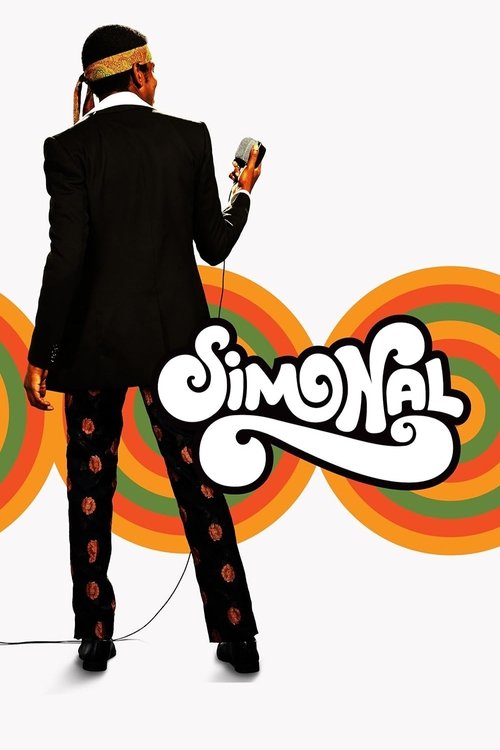
Simonal
2019
A phenomenon of popularity in the 1960s, Wilson Simonal saw his meteoric career fall apart when he was accused of collaborating with the Brazilian military dictatorship.

Simonal: No One Knows How Tough It Was
2009
In a time of timeless and revolutionary talents, Wilson Simonal shined as nobody before and innovated as only a few could. All of a sudden, everything vanished. This film maps the spectacular trajectory of the ex-Army corporal that ruled as a monarch, and was condemned to ostracism for an offense to which he pleaded not guilty.
Books
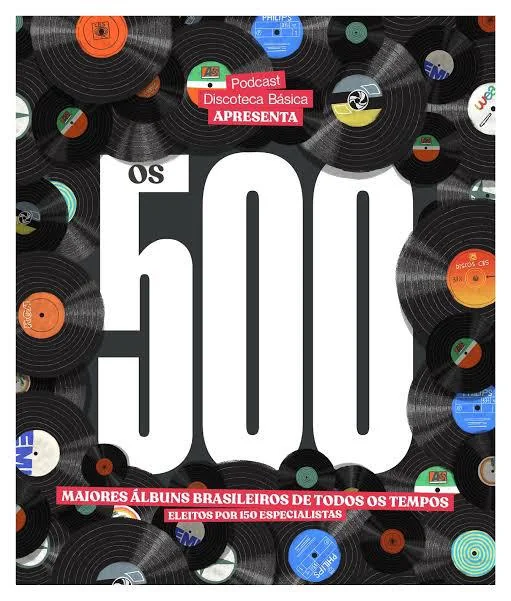
Os 500 Maiores Álbuns Brasileiros de Todos os Tempos
Ricardo Alexandre · 2022
The largest Brazilian music election ever conducted: 162 specialists, spanning journalists, critics, musicians, producers and podcasters, each nominated 50 essential albums, supported by a masterlist of more than 2,000 works. Led by Ricardo Alexandre with tabulation by Sérgio Jomori, it was published in December 2022 as a 200-page hardcover book with graphic design by Fernando Pires.

Nem vem que não tem: a vida e o veneno de Wilson Simonal
Ricardo Alexandre · 2009
This is the most in-depth and acclaimed biography of Wilson Simonal, exploring his life, career, and the controversies that marked his trajectory. It comprehensively covers his rise in Brazilian music, including the period of the release of the album 'A Nova Dimensão do Samba', and the impact of his major works.
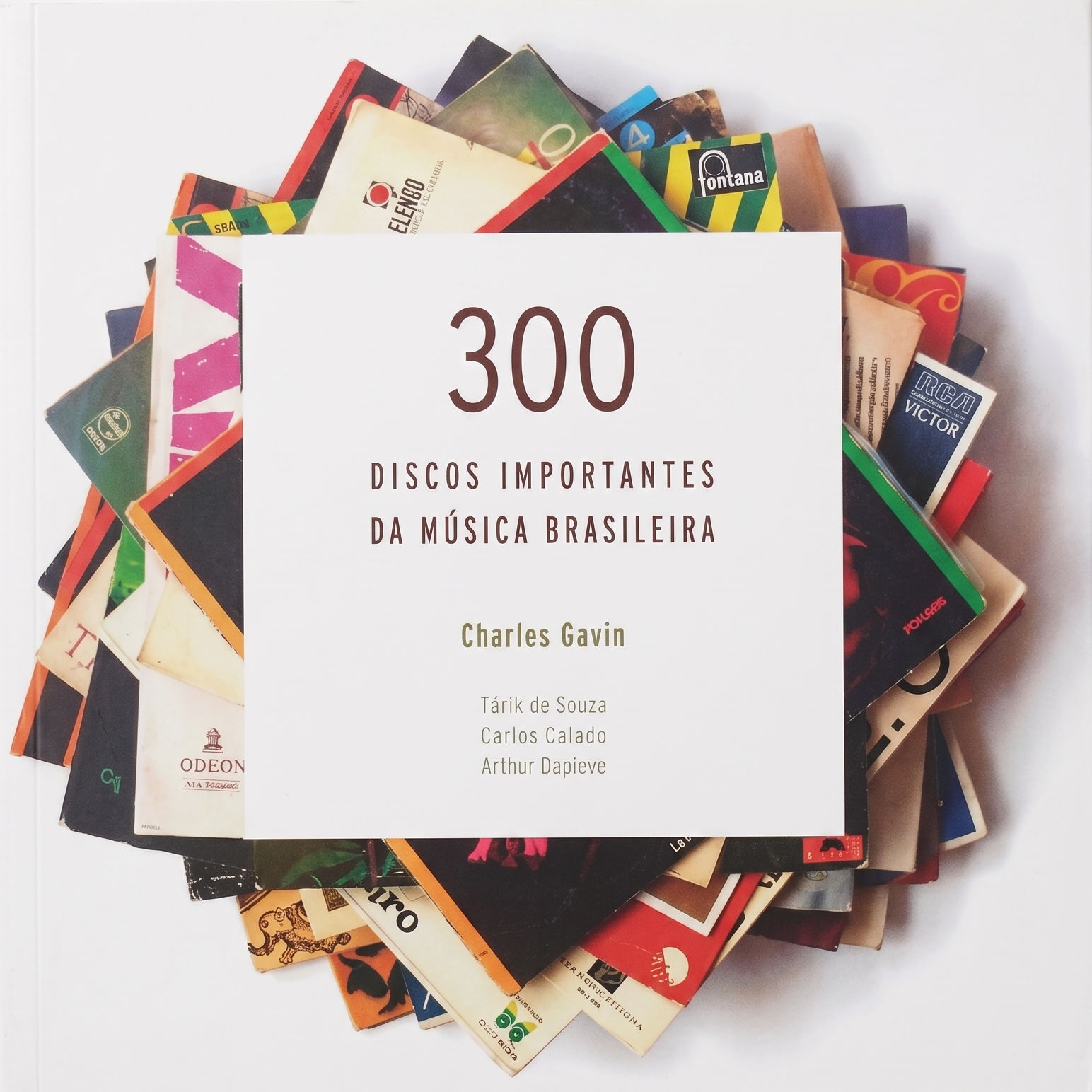
300 Discos Importantes da Música Brasileira
Charles Gavin, Tárik de Souza, Carlos Calado, Arthur Dapieve · 2008
Conceived by Titãs drummer and musical researcher Charles Gavin, the 434-page book brings together covers and reviews of albums released between 1929 and 2007. The texts were written by journalists Tárik de Souza, Arthur Dapieve and Carlos Calado.