Sucessos de Zé Keti
Zé Kéti
1967
Rankings
Why This Album Matters
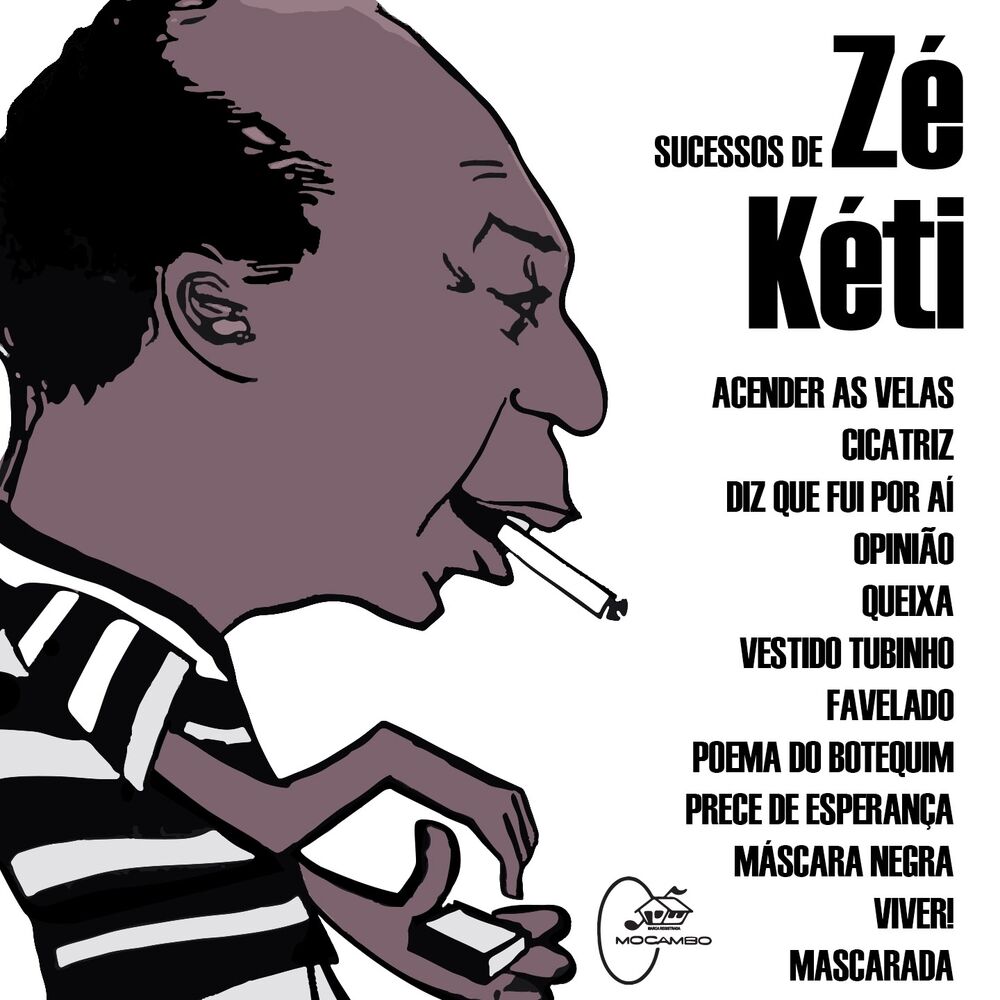
Released in 1967, Sucessos de Zé Kéti marks the solo phonographic debut of one of the most authentic and forceful composers of carioca samba. This album is an essential showcase for Zé Kéti's work, which stood out for its social chronicle and for giving a voice to the residents of the morros and favelas, singing their realities and resistances. Through his compositions, he translated the soul of samba, not just as entertainment, but as a powerful tool for observation and commentary on Brazilian society. The record, although titled "Sucessos", compiles both songs already established by other performers and by Zé Kéti himself in shows, as well as some of his 'more obscure gems', revealing the depth and versatility of his writing. Zé Kéti, a convinced interpreter of his sambas, delivered the message of his lyrics with conviction, many of them laden with subtle, and sometimes explicit, popular protest. This work represents a significant moment in the artist's career, consolidating him as a central figure in MPB, who knew how to navigate between the tradition of samba and the urgency of the social themes of his time, using music to express the identity and dignity of the people.
Context
The album was released during an effervescent and complex period in Brazilian history, a few years after the 1964 military coup, which imposed a regime of censorship and repression. In this scenario, Brazilian Popular Music (MPB) emerged as a vital space for artistic expression and social criticism. Zé Kéti was already an active and respected figure, having participated actively in the "Show Opinião" (1964-1965), a theatrical show that became a symbol of cultural resistance to the regime, alongside Nara Leão and João do Vale. His trajectory before the album included work in Cinema Novo, with sambas for films such as "Rio, 40 Graus" (1955) and "Rio, Zona Norte" (1957), and the idealisation of the group A Voz do Morro in 1962, which brought together important sambistas such as Paulinho da Viola and Elton Medeiros. In 1967, the same year the record was released, the country was experiencing the effervescence of the Brazilian Popular Music Festivals, events that revealed new talents and fostered debates about national musical identity, although Zé Kéti's record was not directly linked to these festivals.
Songs
Sucessos de Zé Kéti presents a repertoire that alternates between classics from the composer's career and lesser-known tracks, yet equally representative of his style. Among the highlights are protest sambas such as "Opinião", a song that became an anthem of resistance to the military dictatorship, with verses affirming the unshakeable conviction of residents to remain in their place of origin. "Acender as Velas" and "Diz que Fui por Aí" also solidified themselves as Zé Kéti's trademarks, exploring themes of resilience and the everyday life of communities. The lyrics of "Cicatriz", in partnership with Hermínio Bello de Carvalho, address the harsh reality of poverty, while "Máscara Negra", a partnership with Pereira Matos, is a carnival march that became one of the genre's greatest successes, celebrating the fantasy and nostalgia of old carnivals. The album also includes compositions such as "Favelado", "Poema de Botequim" and "Queixa" (the latter with Sidney Miller and Paulo Thiago), which, despite being considered 'more obscure gems' by critics at the time, contribute to Zé Kéti's rich lyrical tapestry, addressing the simple life, the difficulties, and the loves of the carioca people with unique authenticity.
Legacy
Despite its title, Sucessos de Zé Kéti solidified the artist's position as one of the pillars of samba and MPB. The songs on the album, many of them already known by the public, gained a new dimension through the voice and interpretation of the composer himself. Although there are no specific sales figures or chart positions for *this particular album*, Zé Kéti's work, including the songs on this record, has had a lasting impact on Brazilian culture. Songs such as "Opinião" and "Máscara Negra" transcended the album and the era of their release, being re-recorded by countless artists and becoming undeniable classics of Brazilian music. Zé Kéti, through his work, was recognised with the Shell Award for his career as a whole, which includes over 200 songs, highlighting the perennial relevance of his contribution to Brazilian popular music. His legacy lies in his ability to use samba as a vehicle for social criticism and as a voice for the marginalised, influencing generations of composers and performers who found in his work a model of authenticity and engagement.
Tracks
Credits
Hélio Rozenblit
Arley Pereira
Somax
New Page
Mocambo/Rozemblit
Books

Analyses

Compositores da PORTELA: Zé Keti - Sucessos de Zé Keti (1967)
compositoresdaportela.blogspot.com
Sucessos de Zé Keti (1967) 1 Acender as velas (Zé Kéti) 2 Cicatriz (H. Bello de Carvalho, Zé Kéti) 3 Diz que fui por aí (H. Rocha, Zé Kéti) 4 Opinião (Zé Kéti) 5 Queixa (Paulo Thiago, Zé Kéti, Sidney Miller) 6 Vestido tubinho (Zé Kéti) 7 Favelado (Zé Kéti) 8 Poema de botequim (Zé Kéti) 9 Prece de esperança (Zé Kéti)
Relembre sucessos de Zé Kéti, que cantou o morro e as aflições do ...
esquinamusical.com.br
José Flores de Jesus was first known as Zé Quietinho because he was a very introspective child, and later became Zé Kéti, the sambista who sang about the carioca hills with their woes and beauties.
Zé Kéti - Sucessos de Zé Kéti (1964) | Toque Musical
toque-musicall.com
'Sucessos de Zé Kéti' was released by the Pernambucan label Mocambo, from the Rosenblit record factory. It's a very good album, a classic of our popular music. We have the sambista in eleven of his own compositions, with hits such as 'Máscara Negra', 'Opinião', 'Vestido tubinho' and 'Diz que fui por aí'.
