Zé Keti
Zé Keti
1973
Rankings
Why This Album Matters
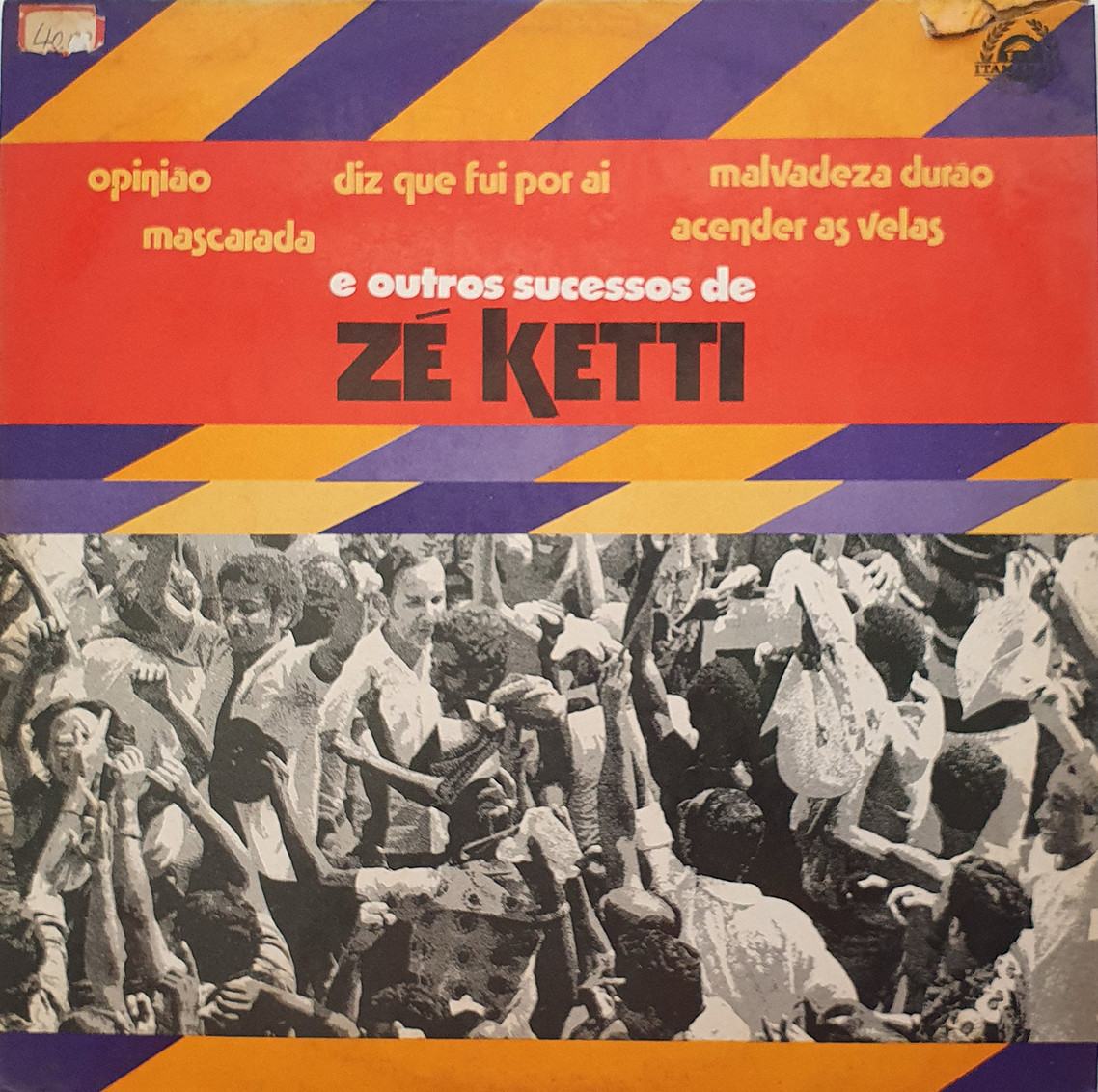
The album Zé Keti, released in 1973, represents a crucial moment in the discography of one of the greatest chroniclers of Rio de Janeiro samba. Zé Keti, a central figure in revealing the daily life and voices of the morros, solidifies in this work his mastery in translating the soul of roots samba to the wider public. His compositions are a poignant portrait of life in the communities, addressing social themes, daily routines, loves and sorrows with a unique sensitivity and poetics. The album is an invitation to immerse oneself in the universe of authentic, pulsating and meaningful samba. Through his distinctive voice and his lyrics deeply rooted in Brazilian reality, Zé Keti in this album demonstrates why he is considered one of the pillars of Brazilian popular music. The characteristic vocal style, combined with the melodic richness and lyrical depth of his compositions, makes this LP an essential work for understanding the strength and beauty of samba in its purest essence. The album resonates as a testament to the artist's ability to transcend social and geographical barriers, taking the "voice of the morro" beyond its origins and cementing his place in the pantheon of national music.
Context
Zé Keti, born José Flores de Jesus in 1921, was already an established figure in the Rio de Janeiro samba scene before the release of this album in 1973. He began his journey in the 1940s, in Portela's composers' wing, and soon stood out for his ability to narrate life in the favelas through samba. His career took off in 1955, with the success of "A Voz do Morro" on the soundtrack of the film Rio 40 Graus. In 1964, he participated in the influential show "Opinião", alongside João do Vale and Nara Leão, which amplified the reach of his compositions such as "Opinião" and "Diz que Fui por Aí". By 1973, Zé Keti had distanced himself from Portela due to disagreements, but continued to produce and perform, maintaining his status as a committed artist and a samba exponent. At that time, Zé Keti was recognised for having a shy temperament, which earned him the nickname "Zé Quietinho" or "Zé Quieto", which evolved into his artistic name. He was a pioneer in uniting morro samba with bossa nova, collaborating with composers such as Carlos Lyra and introducing "samba fino" into traditional samba gatherings. His work was characterised by a "cunning and naive poetics", which described the essence of Rio de Janeiro's morros, frequented by him daily.
Recording
The original recording that gave rise to the 1973 album was made on 4 July 1973 for the "MPB-Especial" programme on TV Cultura de São Paulo, under the direction of Fernando Faro. This programme format alternated songs with testimonies from the featured artist, suggesting a more intimate recording focused on Zé Keti's performance and narratives. Although specific details about the studio or recording techniques are not widely publicised, it is known that the LP's producer was Durval Ferreira and the album's liner notes were written by Paulinho da Viola. Subsequently, in 2000, the material was re-released on CD, accompanied by a book with the transcription of the artist's testimonies, enriching the listener's experience by offering a deeper glimpse into Zé Keti's words and thoughts.
Songs
The 1973 album presents a robust selection of sambas that highlight Zé Keti's compositional skill. Among the standout tracks, we find "Acender as Velas", which lyrically addresses the difficulties faced by the impoverished population, depicting the farewells and improvised wakes in the communities. Other notable songs include "Mascarada", a partnership with Elton Medeiros, and "Nega Dina", which was also released as a single in 1964. The album also features classics such as "Opinião" and "Diz que Fui por Aí", the latter in partnership with Hortênsio Rocha, both songs that became anthems of protest and expressions of the morro's identity. Zé Keti's lyrics are a mirror of daily life and Rio de Janeiro's culture, capturing the essence of life in the favelas in a unique and profound way, using samba as a vehicle to question the established order and give voice to the marginalised. The presence of "Drama Universal", "Praça Onze, Berço do Samba", "Madrugada", "Malvadeza Durão", "Em Tempo" and "O Meu Pecado" complement the repertoire, consolidating the album as a showcase of the thematic and melodic diversity of Zé Keti's samba.
Legacy
The 1973 album Zé Keti, and the artist's work more broadly, left an undeniable legacy for Brazilian music. Songs on the album, such as "Acender as Velas", "Opinião", "Diz que Fui por Aí" and "Máscara Negra", became classics and have been reinterpreted by a wide range of renowned artists, including Nara Leão, Elis Regina, Elza Soares, Luiz Melodia, Milton Nascimento, Gilberto Gil and Marisa Monte, among many others. This constant re-recording and appropriation by different generations of musicians attest to the timelessness and relevance of Zé Keti's compositions. His influence is recognised across various genres of Brazilian music, and Zé Keti is acclaimed for taking samba from the communities and morros beyond their borders, allowing it to converse with other art forms and be valued by different artistic movements and radio stations. The artist received numerous tributes and accolades throughout his career and posthumously, including the Shell Music Award for his complete body of work in 1998, which celebrated over 200 compositions. In 2011, he was honoured by the Brazilian Academy of Letters as part of the "MPB na ABL" project, reinforcing his status as one of the greatest and most distinguished personalities of Brazilian culture in the 20th century.