Zé Ramalho
Zé Ramalho
1978

Rankings
Why This Album Matters
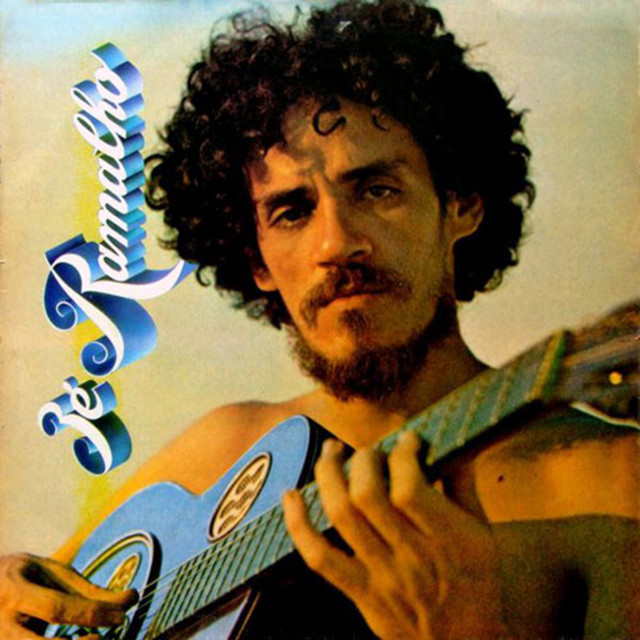
Zé Ramalho, a solo debut album released in 1978, marks the arrival of one of MPB's most unique artists, presenting a sound that blends northeastern influences with elements of progressive rock and folk. The record consolidated Zé Ramalho's poetic and mystical voice, with songs that would become classics of his career. Although initially met with resistance from producers who did not understand the originality of his material, the album revealed complex and captivating compositions such as "Avôhai", "Vila do Sossego" and "Chão de Giz", which today are pillars of Brazilian music, demonstrating the artist's ability to transcend labels and create a particular universe.
Context
The songs that comprise this debut album were conceived between 1975 and 1976, a period when Zé Ramalho divided his time between medical studies at the Universidade Federal da Paraíba and his travels through the states of Paraíba and Pernambuco. After consolidating this material, Zé decided to abandon university and seek opportunities in Rio de Janeiro, where he faced difficulties in presenting his musical proposal to producers and executives in the phonographic industry.
Recording
The album's recording process featured the collaboration of a range of talented musicians, such as Sérgio Dias on guitars, Dominguinhos, Altamiro Carrilho, Bezerra da Silva and Paulo Moura. A special highlight was the participation of keyboardist Patrick Moraz, known for his time with the band Yes, on the track "Avôhai". Moraz's involvement was arranged by producer Carlos Sion, who even rented a keyboard from Lincoln Olivetti for the recording. Jairo Pires was responsible for the project's artistic direction, while Carlos Alberto Sion took on production direction. The basic arrangements were conceived by Zé Ramalho himself, and the mixing and recording benefited from the expertise of Manoel Magalhães and Eugênio de Carvalho, with Eugênio also handling the mixing.
Songs
Among the standout tracks, "Avôhai" is an emotional ode to Zé Ramalho's grandfather, who raised him. According to the artist, the composition emerged from a visionary experience after using hallucinogenic mushrooms, where he purportedly heard the word "Avôhai", a fusion of "Avô" (Grandfather) and "Pai" (Father). This song was the first of his own compositions that Zé heard on the radio, marking a significant moment in his career. Other compositions such as "Vila do Sossego" and "Chão de Giz" were already part of the repertoire that Zé Ramalho was trying to present to producers in Rio de Janeiro. The song "Chão de Giz" also featured the voices of Amelinha and Elba Ramalho in the choir, adding a special texture to the recording.
Legacy
The album's initial reception was not warm, with the press at the time delivering negative reviews. Zé Ramalho interpreted this reaction as a reflection of prejudice against his northeastern origin, which hampered the immediate impact of the work. Contradicting the initial criticism, a 1980 article from Folha de S.Paulo revisited the record, stating that critics had "commented favourably" and drawn comparisons between Zé Ramalho and Bob Dylan, a belated recognition of the depth and originality of his work. Zé, in turn, attributed the comparison to a lack of knowledge about figures such as Otacílio Batista, whom he considered one of Brazil's greatest 'repentistas'.
Tracks
Credits
Jairo Pires
Zé Ramalho
Paulo Machado
Carlos Alberto Sion
Carlos Alberto Sion
Ivinho
Cátia De França, Dominguinhos
Vinicius Cantuária
Arnaldo Brandão, Chico Julien
Gilson De Freitas
Chico Batera
Paulo Rafael
Sergio Dias
Altamiro Carrilho, Lourenço Baeta, Osvaldo Garcia
Patrick Moraz
Paulinho Machado
Bezerra Da Silva
Paulo Moura
Lula Côrtes
Cátia De França
Pedro Osmar
Zé Ramalho
Eugênio Carvalho
Eugênio Carvalho, Manoel Magalhães
Géu
Carlos Enrique M. de Lacerda
Carol Joan Astbury
Mario Luiz Thompson
Ciro Fernandes
Podcasts
Lado A O cósmico Zé Ramalho. “Carne de pescoço”. Significado de “Avohai”. Brejo do Cruz. Chico Buarque. A importância do avô e da contra-cultura na vida de Zé. O sussurro, a viagem alucinógena, a multiplicidade. Patrick Moraz da banda Yes, participou da gravação do disco. Vanuza e a primeira gravação da Avohai. A voz do Zé carimba e eterniza a versão. A Vila do Sossego. Do movimento Beatnik aos

Músicas e suas Histórias · Músicas e Suas Histórias
1) Gostou? Para saber mais acesse o Canal do YouTube: Músicas e Suas Histórias https://www.youtube.com/channel/UCBbOHBkyr3Aj5ITUqG_gADw/featured
Films

Books
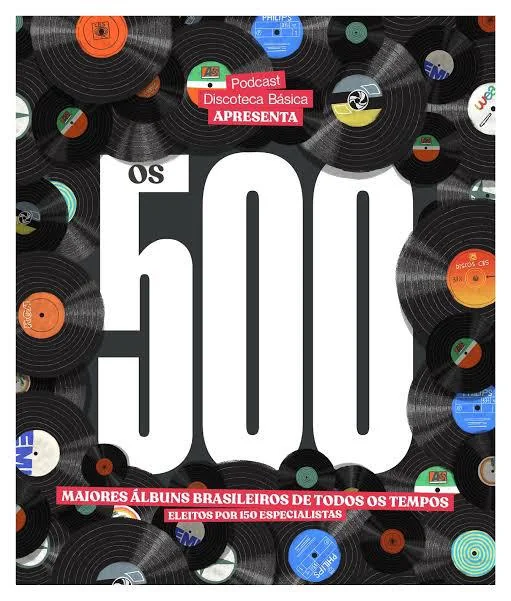
Os 500 Maiores Álbuns Brasileiros de Todos os Tempos
Ricardo Alexandre · 2022
The largest Brazilian music election ever conducted: 162 specialists, spanning journalists, critics, musicians, producers and podcasters, each nominated 50 essential albums, supported by a masterlist of more than 2,000 works. Led by Ricardo Alexandre with tabulation by Sérgio Jomori, it was published in December 2022 as a 200-page hardcover book with graphic design by Fernando Pires.
Zé Ramalho, A peleja do diabo com o dono do céu
Zé Ramalho, Charles Gavin · 2016
An interview with Zé Ramalho, part of 'O Som do Vinil' series, in which he addresses his early career. The discussion covers everything from the psychedelic 'Paêbirú' (1975), recorded in partnership with Lula Côrtes, to the recording sessions of his second solo album, 'A Peleja do Diabo com o Dono do Céu' (1979). By covering this crucial period and the evolution of his solo career, it is highly probable that it discusses his eponymous debut album of 1978 in depth, offering the artist's own perspective on the work's creation and context.
Analyses
Zé Ramalho – Wikipedia
Wikipedia, the free encyclopaedia

Zé Ramalho - Zé Ramalho | 1978 - discosqueouvi.blogspot.com
discosqueouvi.blogspot.com
In addition to "Avôhai", it features "Vila do Sossego" and "Chão de Giz", songs that became MPB classics with multiple re-recordings by other artists. It's the breakthrough album, crossing the threshold of musical recognition. It's an album that has never lost its appeal.
Hominis Canidae: Zé Ramalho - Zé Ramalho (1978)...
hominiscanidae.org
It's the great Zé Ramalho's first solo album, for those who appreciate psychedelia with regional touches - or regional music with psychedelic touches. It's an album where worlds meet.
Zé Ramalho (1978) | Toque Musical
toque-musicall.com
How annoying! And here everything was ready... it was then that I remembered I had Zé Ramalho's first album here, already prepared in my personal archive. Although it's one of my favourite MPB albums, I didn't plan on posting it here so soon. But circumstances often lead us down unexpected paths.
Zé Ramalho - Zé Ramalho (1978) | cenaindie
cenaindie.com
Released in 1978, Zé Ramalho's first solo album is a masterpiece that transcends genres. The fusion of Northeastern regional elements with progressive psychedelia results in a unique and innovative sound experience.