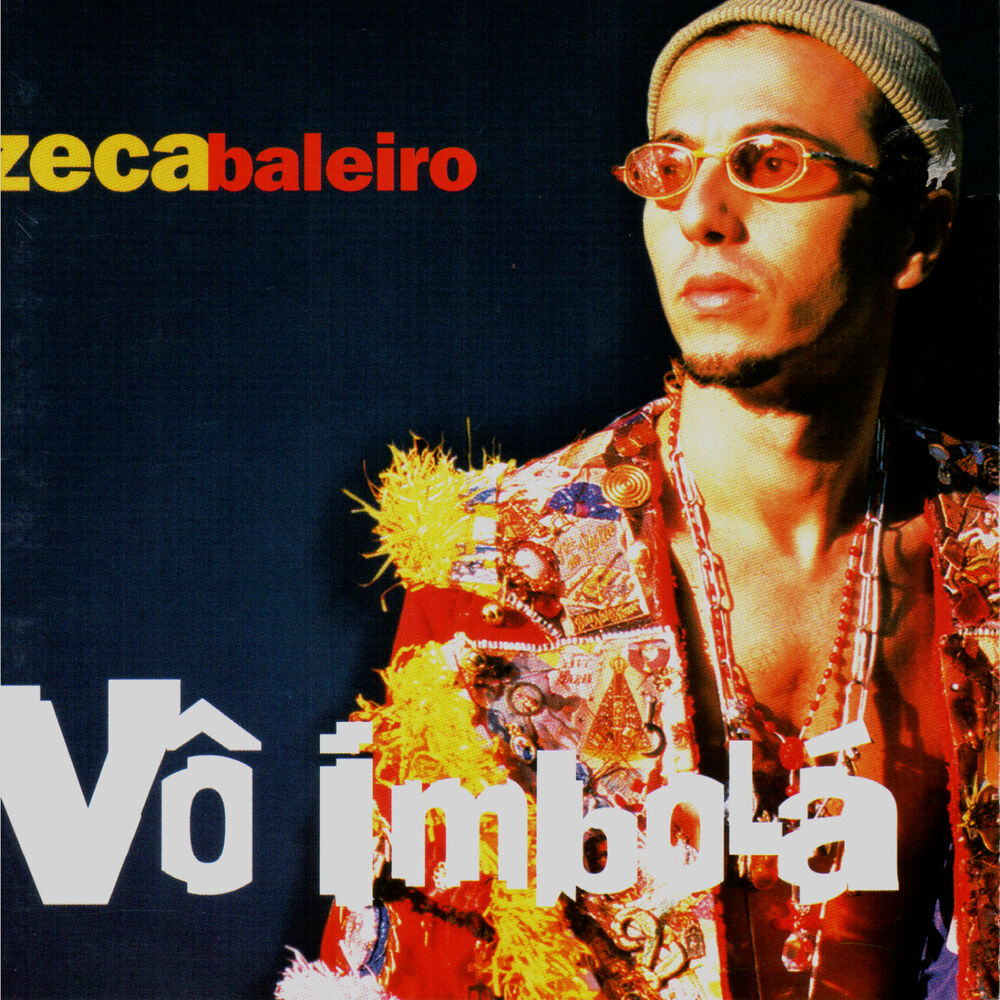
Vô Imbolá
Zeca Baleiro
1999
Rankings
Why This Album Matters
Vô Imbolá, the second studio album by Maranhão singer-songwriter Zeca Baleiro, released in March 1999 by the MZA Music label, is a work that stands out for its 'syncretic tonality' and for solidifying Baleiro's multifaceted artistic identity. The album is a creative melting pot that naturally and irreverently blends diverse influences such as baião, samba, rock, reggae, and electronic elements, deconstructing labels and celebrating the sonic diversity of Brazilian music. This work not only displays Baleiro's ability to navigate different genres but also reveals an artist with a critical and humorous perspective on society and culture. His lyrics are full of cultural and personal references, exploring themes ranging from the colloquial to the philosophical, always with an elegant and direct editorial language. Vô Imbolá is, therefore, a landmark in the artist's discography, consolidating his originality and his ability to converse with both the popular and the erudite in an accessible and stimulating way.
Context
Before the release of Vô Imbolá, Zeca Baleiro had already established a solid foundation with his debut album, Por Onde Andará Stephen Fry? (1997), which sold around 70,000 copies and began to earn him national recognition after a decade on the alternative circuit. His trajectory, marked by years of dedication in the music underground, began to gain strength and visibility, and he was already known as a composer and collaborator for names like Chico César, gaining wider popular recognition with his participation in Gal Costa's acoustic set. Vô Imbolá emerges in this scenario as a continuation and expansion of the proposal of his previous work, but with more diverse and danceable material, exploring new sonic experiences without losing the essence of his artistic profile. The album's title, a reference to Northeastern embolada, already signals the intention to mix influences and experiences, reflecting the artist's search for a sound that embraces his roots and contemporary trends.
Recording
Released in 1999 by MZA Music, a label associated with the multinational Universal, Vô Imbolá featured production from an experienced team, including Zeca Baleiro himself, alongside names such as Mazzola, Celso Fonseca, and Zeca Barreto. The production was carefully crafted, aiming for the 'syncretic tonality' that characterises the album, balancing Northeastern tradition with contemporary pop sounds and electronic experimentation. The recording process also involved the contribution of Érico Theobaldo in co-producing some tracks and in electronic programming, in addition to Marcos Suzano on pandeiro, among other musicians. Mixing was carried out by Walter Costa, Luiz Carlos T. Reis, and Marcos Sabóia, and mastering by Ricardo Garcia at Magic Master studio, ensuring the sound quality that became a hallmark of the work.
Songs
Vô Imbolá is an album brimming with original compositions by Zeca Baleiro and striking reinterpretations, with lyrics that explore wordplay, irony, and social criticism. The title track, "Vô Imbolá", for instance, makes a playful reference to embolada, a Northeastern musical genre, and experiments with the sound of words, while celebrating the diversity of influences, citing artists such as Frank Zappa, Jackson do Pandeiro, Bob Dylan, Luiz Gonzaga, and Jimmy Cliff. Among the highlights, "Samba do Approach", with the iconic participation of Zeca Pagodinho, satirises the invasion of foreign terms into Brazilian vocabulary, becoming a huge success and part of a soap opera soundtrack. "Bienal", a repente with Zé Ramalho, casts an acidic eye on the "dematerialisation of art" in postmodernity. The artist's romantic side shines in "Lenha", a pop hit that had already been recorded by Rita Ribeiro. The album also features unique reinterpretations, such as Luiz Gonzaga's "Pagode Russo", which gains strident guitars and electronic drums, and Martinho da Vila's "Disritmia", both revitalising Brazilian music classics through Baleiro's peculiar perspective. The track "Piercing", with the group Faces do Subúrbio, uses samples and rap to criticise "boutique modernity", while "Meu Amor, Meu Bem, Me Ame" makes a direct reference to Reginaldo Rossi's brega, seasoned with Rita Ribeiro's performative vocalisations. The album concludes with the track "Maldição", a poetic elegy to artists and figures considered "accursed", such as Baudelaire and Luiz Melodia, who protest against superficiality.
Legacy
Vô Imbolá was a commercial and critical success, consolidating Zeca Baleiro's name in the Brazilian music scene. The album received gold certification in Brazil, surpassing the 100,000 copies sold mark, a significant achievement for MPB at the time. Its relevance was also recognised internationally, being nominated for a Latin Grammy in the Best Brazilian Pop Album category. The innovations and fusion of styles present in Vô Imbolá influenced how MPB was perceived and produced, paving the way for a generation of artists who explore musical hybridity. Songs like "Samba do Approach" became classics and continue to be frequently performed and remembered, attesting to the album's timelessness and lasting impact on Brazilian culture.
Tracks
Credits
Mazzola
Rita Ribeiro
As Gatas
Zeca Baleiro
Zé Brown
Zé Ramalho
Arthur Maia
Dirceu Leite
Paulo Barizon
Tuco Marcondes
Celso Fonseca
Sacha Amback
Marcos Suzano
Ramiro Musotto
Suba
Books

livro bala na agulha zeca baleiro sebo refugio
Unknown · 2010
'Bala na Agulha - boteco reflections, memory pastries and other fried foods' brings together texts by Zeca Baleiro on music, literature, cinema, behaviour, religion and gastronomy, as well as sentimental memories of his childhood and adolescence. The book is completed by two chapters of short poems and aphorisms, offering an in-depth insight into the artist's reflections and inspirations.
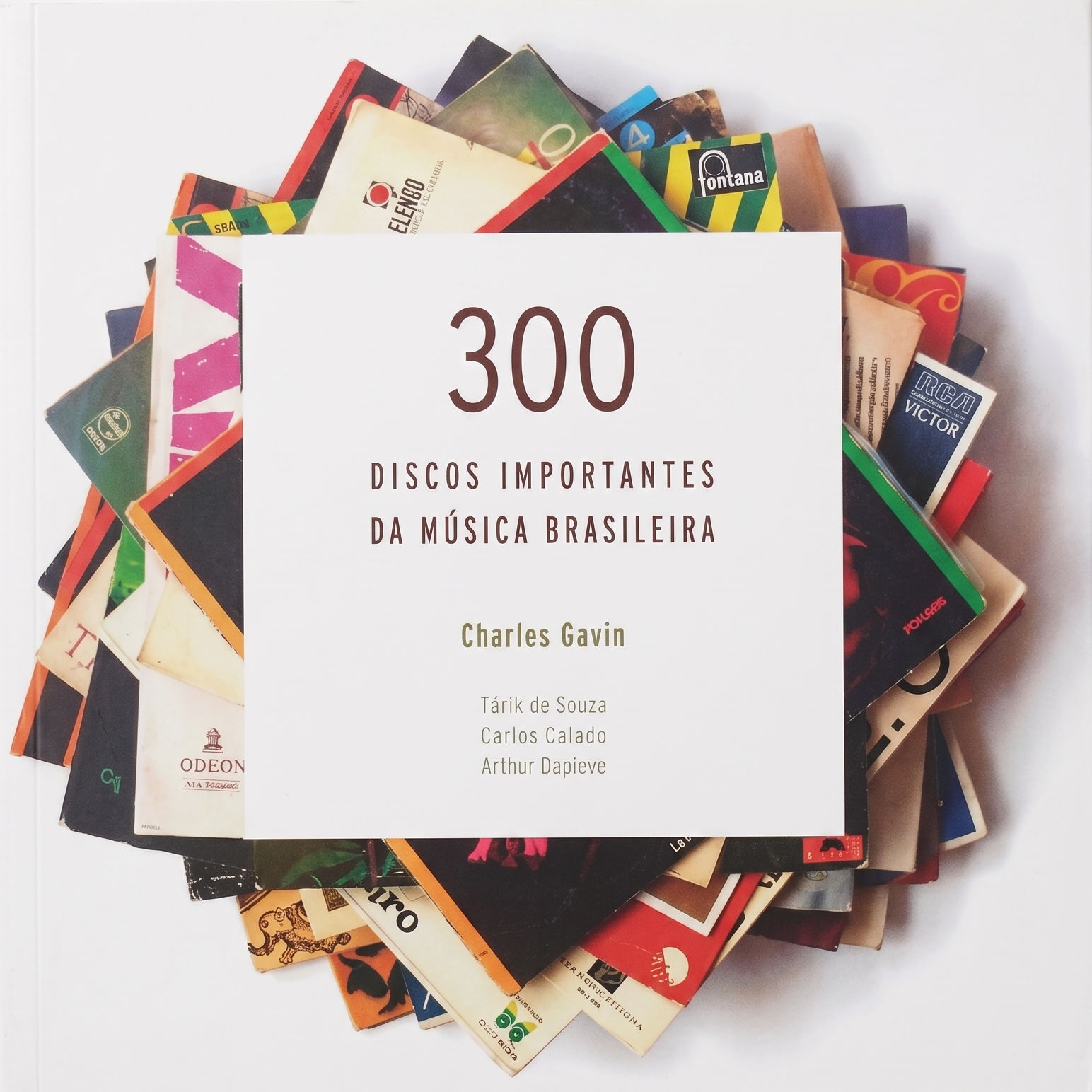
300 Discos Importantes da Música Brasileira
Charles Gavin, Tárik de Souza, Carlos Calado, Arthur Dapieve · 2008
Conceived by Titãs drummer and musical researcher Charles Gavin, the 434-page book brings together covers and reviews of albums released between 1929 and 2007. The texts were written by journalists Tárik de Souza, Arthur Dapieve and Carlos Calado.
Analyses
Vô Imbolá – Wikipedia
Wikipedia, the free encyclopaedia
Aquela Musica Apresenta "Vô Imbolá - 1999"
aquelamusica.com
Zeca Baleiro's second solo CD, 'Vô Imbolá', was released in 1999 by MZA Music/Universal. A meticulously crafted work, full of great collaborations, the album was produced by Mazzola, one of Brazil's greatest record producers, and features 14 tracks that were successful on radio and in live performances.
Zeca Baleiro - Vô Imbolá (1999) - musicasdonordeste.net
musicasdonordeste.net
Second studio album by Brazilian singer and songwriter Zeca Baleiro. This album, released in March 1999 on the MZA label, has a syncretic tone and featured major collaborations, such as Zeca Pagodinho on 'Samba do approach' and Zé Ramalho on 'Bienal', among others.
Tempo Múltiplo Na Canção Vô Imbolá De Zeca Baleiro: Resíduos Das ...
atenaeditora.com.br
This work sought to investigate the interactions that Zeca Baleiro's song Vô Imbolá establishes not only with the consolidated postmodern scenario with which it interacts, but also with elements and meanings of the musical aesthetic related to the Tropicalist movement.
Zeca Baleiro namora a eletrônica - 08/04/1999 | Diário do Grande ABC
dgabc.com.br
'Vô imbolá', the singer's new album, showcases the Maranhense artist's experiences with electronic music and is, already, one of the year's best surprises among national releases.