Zeca Pagodinho
Zeca Pagodinho
1986

Rankings
Why This Album Matters
Zeca Pagodinho's self-titled debut album, released in 1986, is a fundamental landmark in the history of Brazilian samba and pagode. It introduced to the wider public an artist with singular charisma and an unmistakable style, who would go on to become one of the genre's biggest names. The album solidified the essence of partido-alto and samba de raiz, bringing lyrics that portray daily life, love and the samba rodas of the Rio suburbs with a rarely seen authenticity. This work is not merely a musical record, but a cultural document that captured the effervescence of pagode as it emerged and gained strength, especially coming from places like Cacique de Ramos. Zeca's spontaneity and truthfulness in interpretation, combined with a robust repertoire, made this album an instant classic, essential for understanding the renewal and popularisation of samba in the 80s.
Context
Before the release of his first solo album, Zeca Pagodinho was already a respected figure in the samba rodas of the Irajá and Del Castilho neighbourhoods in Rio de Janeiro. His husky voice and his skill as a partideiro made him stand out at these gatherings. The major turning point in his career occurred when Beth Carvalho discovered him at Cacique de Ramos in 1981, and invited him to participate in her album Suor no Rosto (1983), sharing vocals on the track "Camarão que Dorme a Onda Leva", co-written by Zeca with Arlindo Cruz and Beto Sem Braço. In 1985, Zeca Pagodinho had already participated in the compilation Raça Brasileira, alongside names such as Jovelina Pérola Negra, Pedrinho da Flor, Elaine Machado and Mauro Diniz, a project that achieved great sales success. This experience paved the way for the RGE record label to invite him to record his first solo LP, initiating one of the most successful careers in Brazilian popular music.
Songs
The 1986 album Zeca Pagodinho is packed with compositions that became anthems of samba and pagode. Among the 12 tracks, highlights include successes like "Judia de Mim", which was also the soundtrack to the soap opera Hipertensão, and "Coração em Desalinho", a song Monarco initially wanted for Martinho da Vila, but which Zeca interpreted with mastery. Other notable songs include "S.P.C.", "Brincadeira Tem Hora", "Quando Eu Contar (Iaiá)" and "Quintal do Céu", the latter composed by Wilson Moreira and Jorge Aragão. The album also features a Pot-Pourri de Partido Alto, with the special participation of Deni, reaffirming Zeca's roots in the genre. The selection of songs demonstrates Zeca's ability to choose quality repertoire, often from composer friends, ensuring an album without "weak" tracks, in which all songs are well-received and played to this day in samba rodas.
Legacy
The 1986 album was a resounding success with audiences and critics alike, selling over a million copies and earning triple platinum certification in Brazil. This achievement marked the beginning of a triumphant career and transformed Zeca Pagodinho into one of the biggest names in contemporary samba. The album's warm reception solidified his status as one of the few national unanimous favourites in music, as noted by Nei Lopes. The work became a masterpiece of partido-alto and propelled Zeca Pagodinho to stardom, influencing numerous sambistas and the Brazilian music scene as a whole. The album Zeca Pagodinho is often cited as one of the essential records for understanding the evolution and popularisation of samba raiz and pagode.
Tracks
Credits
Milton Manhães
Podcasts
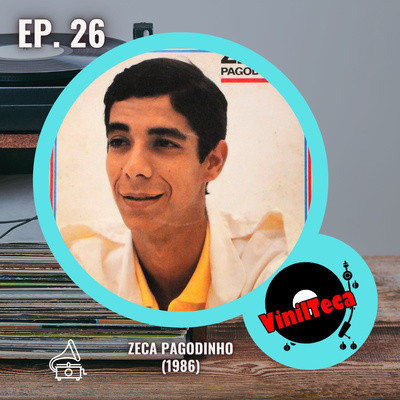
Vinilteca · José Ono Junior e Guilherme Colpani
No meio da década de ascensão do rock no Brasil, o samba também deu as caras, invadiu as rádios e a televisão, propiciou contratos e gravações em estúdio, e abriu caminho para o sucesso do pagode dos anos 90 que viriam alguns anos depois. E um dos responsáveis por isso tudo foi Zeca Pagodinho que, nessa época, vendeu 800 mil cópias de seu primeiro disco. A Vinilteca é um projeto que nasceu no You
Books
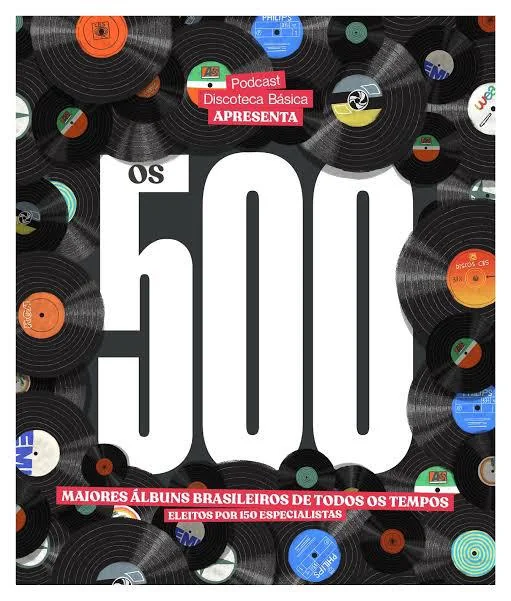
Os 500 Maiores Álbuns Brasileiros de Todos os Tempos
Ricardo Alexandre · 2022
The largest Brazilian music election ever conducted: 162 specialists, spanning journalists, critics, musicians, producers and podcasters, each nominated 50 essential albums, supported by a masterlist of more than 2,000 works. Led by Ricardo Alexandre with tabulation by Sérgio Jomori, it was published in December 2022 as a 200-page hardcover book with graphic design by Fernando Pires.
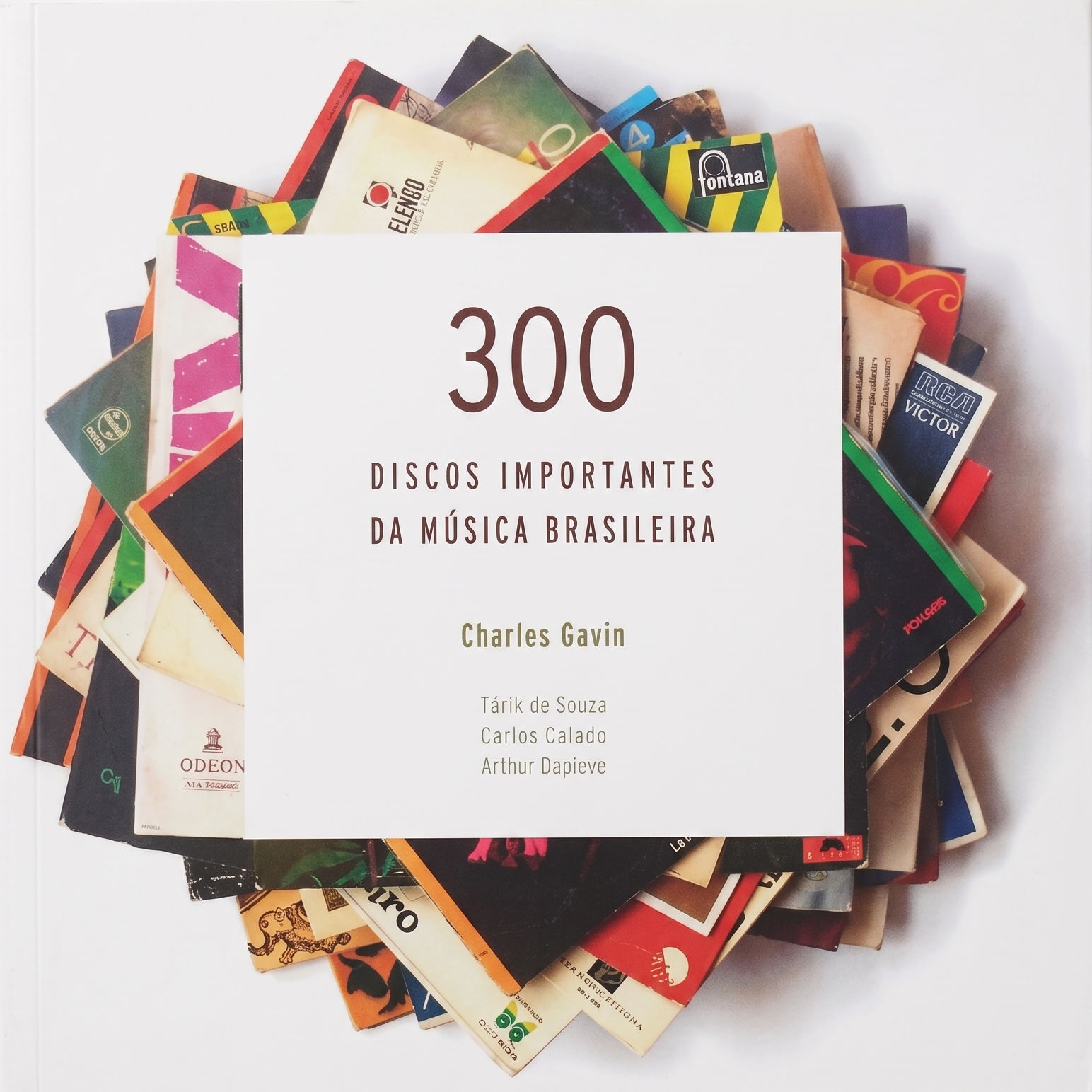
300 Discos Importantes da Música Brasileira
Charles Gavin, Tárik de Souza, Carlos Calado, Arthur Dapieve · 2008
Conceived by Titãs drummer and musical researcher Charles Gavin, the 434-page book brings together covers and reviews of albums released between 1929 and 2007. The texts were written by journalists Tárik de Souza, Arthur Dapieve and Carlos Calado.
Zeca Pagodinho
Luiz Fernando Vianna · 2003
This is a comprehensive biography of the samba artist Zeca Pagodinho, written by Luiz Fernando Vianna. The book explores the artist's life, career, and musical legacy, from his origins in the Rio de Janeiro suburbs to his rise as one of the greatest icons of Brazilian samba, addressing his major works and the context of his discography. It is essential reading for understanding the artist's trajectory and the relevance of his albums.
Analyses

ClyBlog: Zeca Pagodinho - "Zeca Pagodinho" (1986)
cly-blog.blogspot.com
Honest and well-produced, Zeca Pagodinho's debut delivered what his friend Arlindo had asked of him: "to make and hold onto his success". In addition to catapulting him to stardom, the album opened the doors for samba, for so long persecuted, to finally be appreciated by the general public once and for all.

Grandes Discos Brasileiros | 'Zeca Pagodinho' - Zeca Pagodinho (1986)
colunablah.blogspot.com
This album features great songs of pagode, samba, and 'partido alto', which is a traditional samba but with African percussion. Furthermore, it contains lyrics that speak of the people from his native region and of romanticism, with most tracks featuring a lot of humour and the joy we see in each one.

Zeca Pagodinho - Zeca Pagodinho | BCritics
criticosbc.blogspot.com
"Zeca Pagodinho" is the debut album by Brazilian singer and songwriter Zeca Pagodinho, released in 1986. Considered a commercial and critical success, the album includes some of the songs that would become enduring classics in the artist's repertoire.
1986 - O Ano do Pagode - Célula POP
celulapop.com.br
His second album, released the following year, achieved similar success to Zeca Pagodinho's debut, especially due to its first track, "Caxambu", an irresistible "samba-jongo" and another easy hit at the August parties of the time.
Índice do Álbum Zeca Pagodinho 1986
pt.scribd.com
Zeca Pagodinho 1986 Album Index. The document contains the lyrics and information about songs from Zeca Pagodinho's 1986 album, including 'SPC', 'Coração em Desalinho', and 'Jogo de Caipira'.